Sweet Heart: A Whimsical Font That Adds Personality to Your Designs
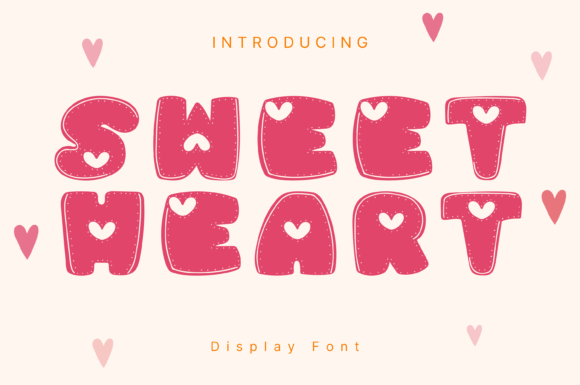
If you're looking for a font that brings a sense of playfulness and charm to your work, Sweet Heart is the perfect choice. This whimsical display font isn't just about aesthetics—it's about creating a visual identity that resonates with your audience in a memorable way.
Whether you're designing a logo, crafting a social media post, or working on a branding project, Sweet Heart offers a unique blend of fun and sophistication. Its soft curves and playful character make it ideal for projects that aim to evoke warmth, creativity, or a lighthearted tone.
When to Use Sweet Heart
Sweet Heart shines in situations where personality matters. It's particularly effective for brands targeting younger audiences or those wanting to convey a friendly, approachable vibe. Think of it as the font that adds a smile to your design without being over the top.
For example, if you're designing packaging for a boutique bakery, Sweet Heart can help highlight the handmade, artisanal feel of the product. Similarly, it works well for children's books, event invitations, or marketing materials for cafes and coffee shops. The font’s expressive nature makes it stand out in a world full of more rigid typefaces.
Industries That Benefit From Sweet Heart
The versatility of Sweet Heart means it can be used across multiple industries. In the fashion world, it can add a touch of whimsy to a brand’s logo or promotional materials. For tech startups, it might be used in a creative campaign to break away from the usual corporate look. Even in more traditional fields like real estate or legal services, it can be used sparingly to add a human touch to a website or brochure.
Marketing teams often use Sweet Heart in campaigns aimed at building emotional connections with their audience. It’s especially popular in campaigns that focus on love, relationships, or personal growth. The font helps create a sense of intimacy that other fonts might not achieve.
How Different Users Can Leverage Sweet Heart
Graphic designers may find Sweet Heart useful when they want to add a distinctive flair to a project. It’s great for creating eye-catching headlines or titles that need to grab attention without overwhelming the viewer. On the other hand, small business owners who aren’t designers might use it in templates or online tools that allow them to experiment with different fonts without needing advanced design skills.
Content creators, such as YouTubers or bloggers, often use Sweet Heart in thumbnails or title cards to make their content more engaging. It’s also a favorite among illustrators who want to pair text with artwork in a way that feels cohesive and visually appealing.
Practical Examples of Sweet Heart in Action
Consider a wedding planner who wants to create a custom invitation. Using Sweet Heart for the guest names or the event title can instantly elevate the design, making it feel more personal and elegant. Or imagine a local artist using it on a poster for an art show—its playful style can reflect the creative energy of the event.
In digital marketing, Sweet Heart can be used in email newsletters or social media banners to catch the eye of potential customers. It’s also a good fit for limited-time promotions or seasonal campaigns, where the font’s character helps reinforce the theme of the message.
Things to Consider Before Using Sweet Heart
While Sweet Heart is undeniably charming, it’s important to consider how it will perform in different contexts. For instance, it may not be the best choice for long blocks of text, as its stylized appearance can make reading difficult. Instead, it works best for short phrases, headings, or decorative elements.
Users should also think about the overall design aesthetic. If the rest of the project has a modern or minimalist feel, pairing it with Sweet Heart might create a jarring contrast. However, if the goal is to create a bold, expressive look, then it could be exactly what you need.
Another consideration is accessibility. While Sweet Heart is visually appealing, it’s essential to ensure that the text remains legible, especially for users with visual impairments. Testing the font in different sizes and backgrounds can help determine its effectiveness in various scenarios.
Strengths and Limitations of Sweet Heart
Sweet Heart’s main strength lies in its ability to add character and emotion to a design. It’s not just a font—it’s a tool for storytelling. Its unique shape and rhythm make it ideal for projects that require a bit of flair or a sense of nostalgia.
However, its stylized nature can also be a limitation. In some professional settings, it may come across as too casual or unrefined. That’s why it’s important to assess the context and audience before deciding to use it. When used appropriately, though, Sweet Heart can be a powerful asset in any designer’s toolkit.
Ultimately, Sweet Heart is more than just a font—it’s a way to infuse your work with personality and creativity. Whether you’re a designer, a business owner, or someone looking to add a touch of fun to your projects, this font offers a fresh and engaging alternative to more conventional typefaces.