Scary Indigo: A Font That Haunts With Style
In the world of typography, few fonts manage to capture attention as effectively as Scary Indigo. This display font is more than just a visual curiosity—it’s a bold choice that can transform any design into something memorable. With its eerie yet artistic aesthetic, Scary Indigo has found a niche in creative projects where uniqueness is key. Whether used in branding, signage, or digital media, this font offers a distinctive look that sets it apart from more conventional typefaces.
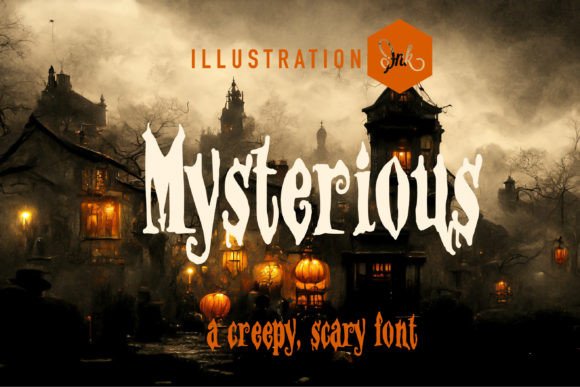
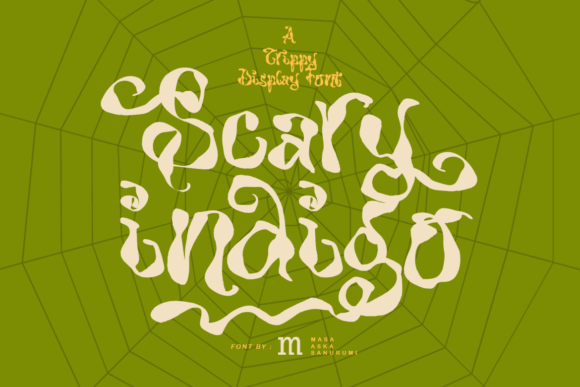
The first thing you notice about Scary Indigo is its unmistakable character. The letters are not just stylized—they seem to have a life of their own. Each stroke carries an unsettling energy, making the font feel almost alive. This effect is achieved through careful design choices, such as irregular shapes, jagged edges, and subtle distortions that give the text a sense of movement and unpredictability. These elements combine to create a visual experience that is both captivating and slightly disconcerting.
One of the most compelling aspects of Scary Indigo is its versatility. While the font may appear too spooky for certain applications, it can be adapted to fit a wide range of contexts. For instance, in the realm of entertainment, Scary Indigo is often used for movie titles, horror-themed websites, and event posters. Its presence adds an extra layer of atmosphere, enhancing the overall mood of the design. In other cases, designers use Scary Indigo sparingly—perhaps as a headline or accent—to draw attention without overwhelming the viewer.
Characteristics That Define Scary Indigo
At its core, Scary Indigo is defined by a set of unique visual traits. The font features exaggerated serifs and uneven spacing, which contribute to its chaotic yet intentional appearance. These characteristics make it ideal for designs that aim to evoke emotion or tell a story. The irregularity of the letters also makes the font highly readable in certain contexts, especially when used in large sizes or with sufficient contrast against the background.
Another notable feature of Scary Indigo is its ability to convey a sense of mystery. The font’s design elements—such as flickering lines and ghostly shadows—create an illusion of depth and dimensionality. This effect is particularly effective when used in conjunction with other visual elements, such as dark backgrounds or glowing effects. The result is a design that feels immersive and engaging, drawing viewers in with its enigmatic quality.
Despite its spooky nature, Scary Indigo is not limited to horror-themed projects. It can be used in more unconventional ways, such as in art installations, experimental typography, or even in educational materials that aim to spark curiosity. The font’s uniqueness makes it a powerful tool for designers looking to break away from traditional aesthetics and explore new creative possibilities.
Use Cases for Scary Indigo
Scary Indigo finds its greatest appeal in projects that require a strong visual impact. One common use case is in branding for niche markets, such as independent film studios, boutique stores, or online communities with a specific theme. By incorporating Scary Indigo into logos or promotional materials, these businesses can create a distinct identity that resonates with their target audience.
Another area where Scary Indigo shines is in digital content creation. Web designers often use the font to add a touch of drama to headings, banners, or interactive elements. When paired with appropriate color schemes and layout techniques, Scary Indigo can enhance the user experience by creating a more dynamic and engaging interface. This is especially true for websites that focus on storytelling, gaming, or avant-garde art.
Print media is another domain where Scary Indigo can make a significant difference. From magazine covers to book jackets, the font’s dramatic style can help a design stand out on a crowded shelf. Its boldness ensures that it remains visible even from a distance, making it an excellent choice for eye-catching advertisements or event flyers.
Considerations When Using Scary Indigo
While Scary Indigo is undeniably striking, it is important to use it with care. Overuse can lead to visual clutter, making the design feel overwhelming rather than impressive. Designers should consider the context in which the font will be used and ensure that it complements the overall message rather than distracts from it.
Another consideration is legibility. Although Scary Indigo is designed to be readable at larger sizes, it may not be suitable for body text or long paragraphs. In such cases, it is best to pair the font with a more conventional typeface to maintain clarity and readability. This approach allows the unique qualities of Scary Indigo to shine while ensuring that the content remains accessible to all readers.
Finally, it is worth noting that Scary Indigo may not be appropriate for every project. Its spooky aesthetic can be off-putting in certain professional or formal settings. Before incorporating the font into a design, it is advisable to evaluate whether it aligns with the intended tone and audience. When used thoughtfully, however, Scary Indigo can be a powerful tool for creating visually compelling and emotionally resonant work.
As the demand for unique and expressive typography continues to grow, fonts like Scary Indigo are becoming increasingly relevant. Their ability to convey mood, personality, and creativity makes them valuable assets for designers across various industries. Whether used as a focal point or a subtle accent, Scary Indigo offers a fresh perspective on how text can be used to communicate ideas and emotions.
For those interested in exploring the potential of Scary Indigo, experimenting with different layouts, colors, and combinations can yield surprising results. By understanding the strengths and limitations of the font, designers can harness its power to create truly memorable and impactful designs.