Mustkill: The Font That Transforms Your Designs Into Nightmares
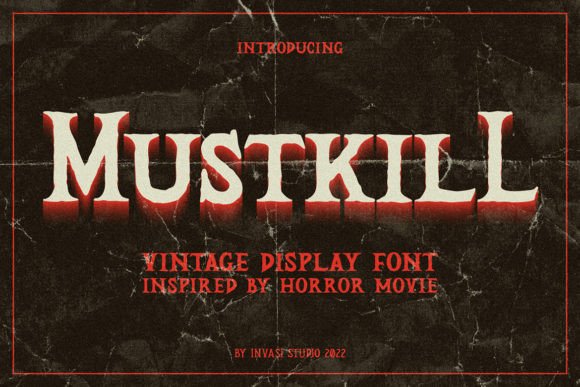
Mustkill is more than just a font—it's a powerful tool that can elevate your creative projects with its eerie, vintage-style aesthetic. Designed for those who want to evoke fear, suspense, or a sense of the macabre, Mustkill is ideal for horror posters, Halloween graphics, black metal album art, and any project requiring a dramatic, unsettling visual impact. But beyond its striking appearance, Mustkill offers strategic value when used intentionally.
Understanding how to leverage Mustkill effectively can help you achieve better results in branding, communication, and audience engagement. Whether you're an entrepreneur, marketer, designer, or hobbyist, this font can be a valuable asset if approached with clarity and purpose.
What Makes Mustkill Strategic?
Mustkill stands out due to its unique blend of retro charm and horror elements. Its jagged edges, irregular spacing, and ominous tone make it instantly recognizable. This makes it particularly useful for projects where visual storytelling is key. For instance, a horror movie poster using Mustkill can immediately communicate the genre without needing additional text.
Strategically, Mustkill helps you differentiate your work in crowded markets. In industries like entertainment, publishing, or event marketing, standing out is crucial. By incorporating a font like Mustkill, you signal a commitment to quality, creativity, and thematic consistency—qualities that resonate with target audiences.
Moreover, Mustkill supports long-term branding efforts. If your business or creative project revolves around themes of mystery, darkness, or rebellion, using a consistent visual language—including typography—can reinforce your brand identity over time.
When to Use Mustkill: Practical Scenarios
Mustkill is best suited for specific use cases where its dramatic style aligns with your goals. Consider the following scenarios:
- Horror Posters and Trailers: Mustkill adds a chilling effect that enhances the atmosphere of your design, making it more memorable and impactful.
- Halloween Campaigns: Whether designing flyers, social media content, or packaging, Mustkill can create a cohesive, spooky aesthetic that resonates with seasonal audiences.
- Black Metal Album Covers: This font complements the dark, intense imagery often associated with the genre, helping artists convey their artistic vision clearly.
- Themed Events and Experiences: From haunted houses to immersive theater productions, Mustkill can be used in signage, tickets, or promotional materials to set the tone.
In each case, the goal is to use Mustkill in a way that enhances the overall message rather than overwhelming it. It’s not a one-size-fits-all solution, but when applied correctly, it can significantly boost the effectiveness of your design choices.
How to Approach Using Mustkill Effectively
Before integrating Mustkill into your work, consider your objectives and audience. Ask yourself: What emotion or message do I want to convey? Who is my target audience, and how will they react to this font?
Start by testing Mustkill in small, low-risk areas. For example, use it in a single social media post or a minor design element before applying it to larger projects. This allows you to gauge its impact and adjust accordingly.
Also, balance Mustkill with other fonts. While it’s visually striking, using it excessively can reduce readability and dilute its impact. Pair it with simpler, more legible fonts for body text or supporting elements to maintain clarity and professionalism.
Another important consideration is context. Mustkill may not be appropriate for all types of projects. If your goal is to build trust, credibility, or a clean, modern image, this font could work against your intentions. Always align your design choices with your brand’s core values and messaging.
Strategic Observations and Decision-Making
Using Mustkill requires a thoughtful approach to decision-making. Here are some observations to guide your strategy:
- Align with Brand Identity: Ensure that Mustkill fits within your overall brand aesthetic. If your brand is edgy, experimental, or focused on niche markets, this font can be a strong fit. Otherwise, it may feel out of place.
- Consider Audience Perception: Different audiences respond to different styles. A younger, more rebellious demographic may appreciate the boldness of Mustkill, while a professional or corporate audience might find it too extreme.
- Use It Purposefully: Avoid using Mustkill just for the sake of being different. Instead, integrate it where it adds value—such as in headlines, titles, or focal points of your design.
- Test and Refine: Gather feedback from others to see how they perceive the font. Adjust your usage based on real-world reactions to ensure it meets your goals.
By taking these factors into account, you can make more informed decisions about when and how to use Mustkill in your projects.
Risks of Using Mustkill Without Clear Goals
While Mustkill has many benefits, it also carries risks if used without clear intent. One common mistake is overusing the font across multiple elements, which can lead to visual clutter and confusion. When every part of a design uses Mustkill, it loses its power and becomes less effective.
Another risk is misalignment with your brand or message. If your project is meant to be serious, professional, or uplifting, using a font like Mustkill can send the wrong signal. This can harm your credibility and alienate your audience.
Additionally, poor implementation can reduce readability. Mustkill’s stylized letters may be difficult to read at smaller sizes or in certain contexts. Always test it in the final format to ensure it remains legible and functional.
Intentional Use of Mustkill: A Guide
To use Mustkill intentionally, start by defining your purpose. Are you trying to create a specific mood, attract a particular audience, or enhance a thematic element? Once you have a clear goal, you can tailor your use of the font accordingly.
For example, if you’re designing a horror-themed website, use Mustkill for headings and subheadings to draw attention and set the tone. Pair it with a clean, readable font for body text to maintain accessibility. This balance ensures that your design is both visually engaging and user-friendly.
Similarly, in marketing campaigns, use Mustkill sparingly to highlight key messages or calls to action. This can help capture attention without overwhelming the viewer. Remember, the goal is to support your message, not overshadow it.
Finally, stay adaptable. As your projects evolve, reassess how Mustkill fits into your overall strategy. Be open to refining your approach based on feedback, performance data, and changing trends.
Long-Term Value of Strategic Typography
Typography plays a critical role in shaping perceptions and driving engagement. By strategically using fonts like Mustkill, you can create a lasting impression that aligns with your goals and values.
Over time, consistent use of a well-chosen font can strengthen your brand identity and build recognition. This is especially true for niche markets or creative industries where visual style is a key differentiator.
Additionally, thoughtful typography can improve user experience. A well-designed layout with intentional font choices can guide the reader’s eye, enhance readability, and make your content more compelling. This is particularly important in digital marketing, content creation, and interactive design.
In summary, Mustkill is more than just a scary font—it’s a strategic tool that, when used wisely, can enhance your creative output and support your broader goals. By understanding its strengths, limitations, and best practices, you can unlock its full potential and create designs that resonate deeply with your audience.