Muckga: A Spooky Display Font for Dramatic Design
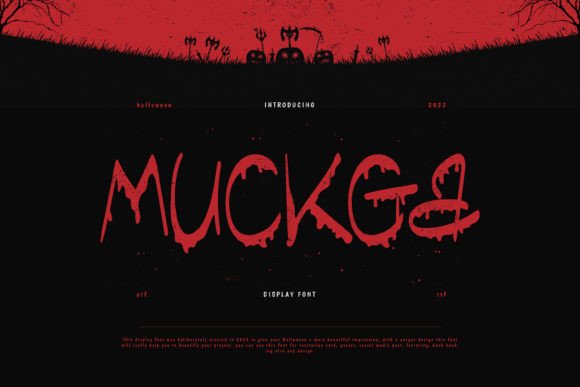
When it comes to choosing a font that captures the essence of suspense and mystery, Muckga stands out as a unique option. This display font is designed to evoke the chills and thrills associated with horror movies, making it ideal for projects that require a dramatic or eerie aesthetic. Unlike more traditional typefaces, Muckga blends a sense of unease with visual appeal, offering designers a tool that can enhance storytelling through typography.
The distinctiveness of Muckga lies in its character design. Each letter carries subtle imperfections and irregularities that mimic the unpredictable nature of fear. These details make the font feel organic and unsettling, which is particularly effective in genres like horror, thriller, or dark fantasy. Whether used in title cards, posters, or branding materials, Muckga adds an extra layer of atmosphere that other fonts may not achieve.
How Muckga Compares to Similar Fonts
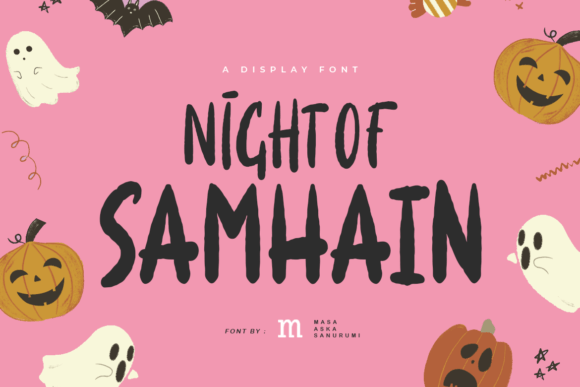
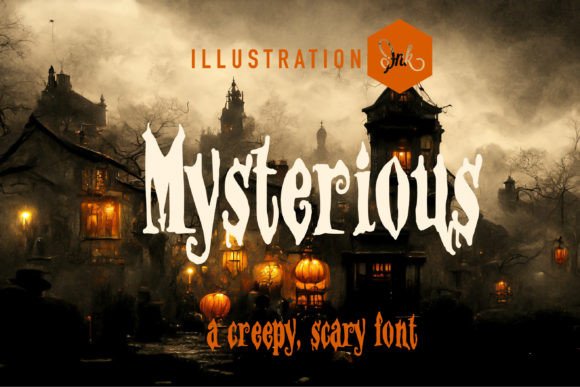
For designers looking for alternatives to Muckga, there are several fonts that offer similar effects. Fonts like Creepster, Granny, or Batman Forever also aim to create a spooky or dramatic tone. However, each of these has its own approach and limitations. Creepster, for example, leans heavily into a gothic style, while Granny offers a more playful, vintage look. Muckga, on the other hand, strikes a balance between sophistication and creepiness, making it versatile for different applications.
Another category of fonts worth considering is those inspired by hand-drawn or rough textures. These often include elements like jagged edges or uneven spacing to convey a sense of chaos. While these fonts can be effective, they sometimes lack the clarity needed for readability, especially in longer text. Muckga, by contrast, maintains legibility while still delivering a strong visual impact, making it a practical choice for both short and extended use.
Strengths and Tradeoffs of Muckga
One of the key strengths of Muckga is its ability to set a mood without requiring additional visual elements. Its design naturally evokes a sense of tension, which can be valuable in projects where the goal is to create immediate emotional engagement. This makes it particularly useful for film-related content, Halloween promotions, or any design that aims to provoke a reaction from the audience.
However, Muckga is not without its tradeoffs. Its unconventional structure may not be suitable for all types of projects. In professional or corporate settings, where clarity and neutrality are priorities, Muckga could come across as too eccentric or unrefined. Additionally, because of its stylized appearance, it may not pair well with other fonts that have a more modern or clean look. Designers should consider how Muckga will interact with the overall visual language of their work.
Best Fit Situations for Muckga
Muckga excels in scenarios where the goal is to create a specific atmosphere. For instance, in a horror movie poster, the font can reinforce the theme and draw viewers in with its unsettling charm. It’s also effective in branding for niche markets such as independent film festivals, haunted house attractions, or themed events. In these cases, the font becomes a part of the narrative, enhancing the experience rather than distracting from it.
Another area where Muckga shines is in creative projects that prioritize visual storytelling. Web designers working on interactive experiences or game interfaces might find the font useful for creating a sense of immersion. Similarly, illustrators or artists using typography in their work can leverage Muckga to add depth and intrigue to their compositions.
When to Consider Alternatives
While Muckga is a compelling choice for certain applications, there are situations where it may not be the best fit. For example, in digital interfaces or user-facing designs, where readability and accessibility are critical, a more standard font might be preferable. Users with visual impairments or those viewing content on small screens may struggle to interpret Muckga’s intricate details.
Additionally, when the goal is to maintain a neutral or professional tone, Muckga’s bold personality could be counterproductive. In such cases, alternatives like Helvetica or Arial offer greater versatility and consistency. Designers should also consider the target audience—what works for a horror-themed project may not resonate with a broader or more diverse group.
Practical Examples and Use Cases
To illustrate how Muckga can be applied, consider a few real-world examples. A filmmaker creating a trailer for a psychological thriller might use Muckga in the title to immediately establish the film's tone. The font’s eerie quality would complement the visuals and soundtrack, reinforcing the intended emotional response.
In another scenario, a graphic designer working on a limited-time Halloween promotion could incorporate Muckga into the campaign’s visual identity. Whether in print ads, social media graphics, or packaging, the font would help convey the seasonal theme while standing out from more conventional designs.
On the other hand, a company launching a new product line might avoid Muckga if the brand image is more polished or tech-oriented. Instead, they might opt for a sleek, modern font that aligns with their values and appeals to their customer base.
Conclusion: Making the Right Choice
Choosing the right font involves understanding the context, audience, and goals of the project. Muckga offers a distinctive option for those seeking to add a dramatic or mysterious element to their work. Its unique design can elevate the visual impact of a piece, but it also requires careful consideration of its suitability for the intended purpose.
By evaluating factors such as readability, tone, and audience expectations, designers can determine whether Muckga is the right fit for their needs. When used appropriately, it can become a powerful tool in the creative process, helping to tell a story through typography. However, in other situations, alternative fonts may provide a more effective solution. Ultimately, the decision should be based on a thoughtful assessment of the project’s requirements and the message it aims to convey.