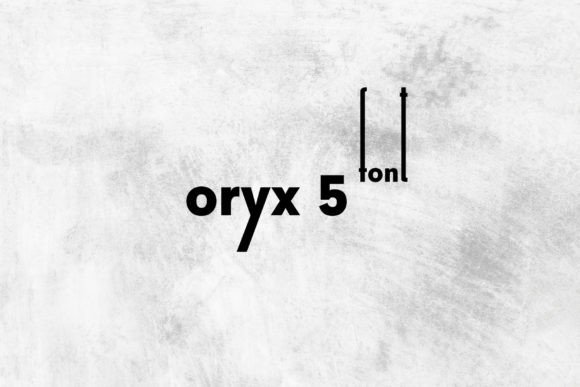
Oryx 5: A Stylish and Versatile Display Font for Modern Design
In the ever-evolving world of typography, choosing the right font can make a significant difference in how content is perceived and consumed. Oryx 5 stands out as a unique display font that blends elegance with modernity, making it an excellent choice for a wide range of design projects. Its clean lines and distinctive character set offer both aesthetic appeal and functional versatility.
Designed with a focus on readability and visual impact, Oryx 5 is particularly well-suited for headings, logos, and other prominent text elements where clarity and style are essential. Whether you're working on a website, a marketing campaign, or a print project, this font can elevate the overall look and feel of your work.
The Characteristics of Oryx 5
Oryx 5 features a balanced structure that makes it both visually appealing and easy to read. The font maintains a consistent weight across its characters, ensuring a harmonious appearance when used in larger blocks of text. Its letterforms are slightly stylized, giving it a modern edge without sacrificing legibility.
The serifs on Oryx 5 are subtle and refined, contributing to a sense of sophistication. This makes it ideal for projects that require a touch of class, such as luxury branding, editorial design, or high-end product packaging. At the same time, the font's open counters and generous spacing help maintain readability even at smaller sizes.
One of the standout features of Oryx 5 is its extensive glyph set. It includes a variety of symbols, punctuation marks, and special characters, allowing designers to create more dynamic and expressive compositions. This level of detail ensures that the font can adapt to different languages and typographic needs.
Practical Applications of Oryx 5
Because of its clean and versatile design, Oryx 5 is widely used in various design contexts. For instance, in web design, it can be employed as a heading font to draw attention to key sections of a page. Its ability to maintain clarity at different sizes makes it suitable for both large banners and smaller navigation menus.
In print media, Oryx 5 shines as a headline font for magazines, brochures, and advertisements. Its strong visual presence helps capture the reader's attention while maintaining a professional tone. Additionally, its compatibility with different color schemes allows for creative experimentation in layout design.
For branding purposes, Oryx 5 can serve as a primary typeface for logos, taglines, and promotional materials. Its distinctive yet approachable style makes it a great option for businesses looking to establish a memorable identity. When paired with complementary fonts, it can also contribute to a cohesive and polished brand aesthetic.
Advantages of Using Oryx 5
One of the main advantages of Oryx 5 is its adaptability. It works well in both digital and print formats, making it a reliable choice for multi-platform projects. This flexibility is especially valuable for designers who need to maintain consistency across different mediums.
Oryx 5 also offers a high level of customization through its available weights and styles. While the base version may be sufficient for many applications, additional variants can expand the font's functionality and allow for more nuanced typographic expressions. This makes it easier to match the font to specific design requirements.
Another benefit of Oryx 5 is its compatibility with most design software and platforms. Whether you're using Adobe Creative Suite, Figma, or a web development framework, the font is likely to integrate seamlessly into your workflow. This ease of use reduces the learning curve and allows for quicker implementation.
Considerations When Using Oryx 5
While Oryx 5 is highly versatile, it's important to consider the context in which it will be used. As a display font, it may not be the best choice for body text, where readability is paramount. In such cases, pairing Oryx 5 with a more traditional sans-serif or serif font can help balance the design and improve overall legibility.
Designers should also pay attention to the spacing and alignment when working with Oryx 5. Because of its unique character shapes, careful adjustment may be necessary to ensure that text flows smoothly and remains visually cohesive. This is particularly true when using the font in longer paragraphs or complex layouts.
Additionally, it's worth noting that the effectiveness of Oryx 5 can depend on the medium and resolution. On low-resolution screens or in small print sizes, the font may appear less sharp or detailed. Testing the font in different environments can help identify any potential issues before finalizing a design.
Real-World Examples of Oryx 5 in Action
Many designers have successfully incorporated Oryx 5 into their projects, showcasing its versatility and appeal. For example, a fashion brand might use the font in its logo to convey a sense of refinement and exclusivity. The font's clean lines and elegant form align well with the aesthetics of high-end fashion.
In the realm of digital marketing, Oryx 5 can be used in social media graphics, email newsletters, and landing pages to create eye-catching visuals. Its bold and confident appearance helps reinforce brand messaging and attract user engagement. When used strategically, it can enhance the overall impact of a campaign.
Educational institutions and research organizations have also found value in using Oryx 5 for presentations, reports, and informational materials. Its professional look and clear typography make it suitable for academic and technical content, where clarity and credibility are essential.
Conclusion
Oryx 5 is more than just a stylish font—it's a powerful tool for designers seeking to create visually compelling and effective communication. With its balanced structure, refined details, and wide range of applications, it offers a unique blend of form and function. Whether you're working on a personal project, a business initiative, or a creative endeavor, Oryx 5 can add a touch of sophistication and professionalism to your work.