Why Learning Grounds Is a Must-Have for Creative Projects
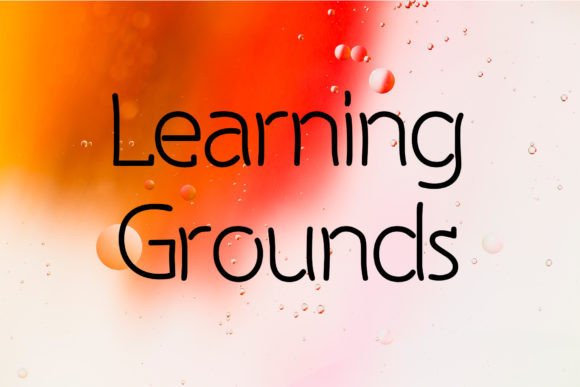
When it comes to choosing the right font for your creative projects, the options can be overwhelming. However, Learning Grounds stands out as a versatile and appealing choice that can elevate any design. This fun and friendly display font is ideal for a wide range of applications, from digital design to handmade crafts. Whether you're working on a presentation, greeting cards, or personal projects, Learning Grounds offers a unique style that can make your work stand out.
Understanding the Appeal of Learning Grounds
Learning Grounds is more than just a font—it's a tool that can bring personality and charm to your designs. Its playful yet professional appearance makes it suitable for both casual and formal settings. The font's character is designed to be approachable, which is why it's often used in educational materials, marketing campaigns, and even branding efforts. Its friendly look can help create a sense of warmth and connection with the audience.
One of the key features of Learning Grounds is its readability. While it has a distinctive style, it doesn't sacrifice clarity. This makes it an excellent choice for headings, titles, and other prominent text elements where visual impact is important. The font’s structure ensures that it remains legible even at smaller sizes, making it practical for a variety of uses.
Applications of Learning Grounds in Different Industries
The versatility of Learning Grounds allows it to be used across multiple industries. In the world of digital design, this font can add a touch of creativity to websites, social media graphics, and app interfaces. Its unique style helps designers stand out while maintaining a professional look. For example, a designer might use Learning Grounds for a website’s headline to draw attention and create a memorable first impression.
In the realm of crafts, Learning Grounds can be a game-changer. Whether you're creating handmade cards, custom signs, or decorative items, this font adds a personal and artistic flair. It’s especially popular among DIY enthusiasts who want to add a special touch to their projects without relying on generic fonts. The font’s playful nature makes it perfect for birthday cards, thank-you notes, and other personalized creations.
How Learning Grounds Fits Into Modern Workflows
As digital tools continue to evolve, the need for adaptable fonts like Learning Grounds becomes increasingly important. Designers and creators often seek fonts that can seamlessly integrate into their workflows without requiring extensive adjustments. Learning Grounds is compatible with most design software, making it easy to use in programs like Adobe Photoshop, Illustrator, and Canva. This compatibility ensures that users can focus on their creative process rather than technical limitations.
Moreover, Learning Grounds is available in multiple formats, including OTF and TTF, which gives users flexibility in how they apply it. Whether you're working on a print project or a digital campaign, this font can adapt to your needs. Its availability also means that it can be easily shared with collaborators, ensuring consistency across different platforms and devices.
Practical Benefits of Using Learning Grounds
One of the main advantages of Learning Grounds is its ability to convey emotion and tone through typography. The font’s friendly and approachable style can help communicate a sense of positivity and warmth, which is essential in many design contexts. For instance, a business looking to establish a more personable brand identity might choose Learning Grounds for its marketing materials to create a more inviting atmosphere.
Another benefit of using Learning Grounds is its ability to enhance visual hierarchy. Because of its distinct appearance, it can be used effectively to highlight key information or draw attention to specific elements within a design. This makes it particularly useful for presentations, where clear communication is crucial. By using Learning Grounds for headings or subheadings, presenters can ensure that their message is both visually engaging and easy to follow.
Considerations When Choosing Learning Grounds
While Learning Grounds is a great choice for many projects, it’s important to consider how it will fit into your overall design strategy. One factor to keep in mind is the context in which it will be used. For example, while it works well for casual or creative projects, it may not be the best option for formal documents or professional reports where a more traditional font might be expected.
Additionally, users should be aware of licensing agreements when using Learning Grounds in commercial projects. Understanding the terms of use ensures that there are no legal issues down the line. Many designers opt for fonts that offer clear and flexible licensing options, allowing them to use the font in a variety of settings without restrictions.
Recommendations for Maximizing the Use of Learning Grounds
To get the most out of Learning Grounds, it’s helpful to experiment with different sizes and styles. Testing the font in various contexts can help you determine how it performs in different scenarios. For example, using it in a larger size for a poster might create a bold and eye-catching effect, while using it in a smaller size for a brochure could add a subtle but stylish touch.
Combining Learning Grounds with other fonts can also enhance its effectiveness. Pairing it with a more neutral typeface can create a balanced look that highlights the unique qualities of Learning Grounds without overwhelming the design. This approach is particularly useful in multi-page layouts, where consistency and visual harmony are important.