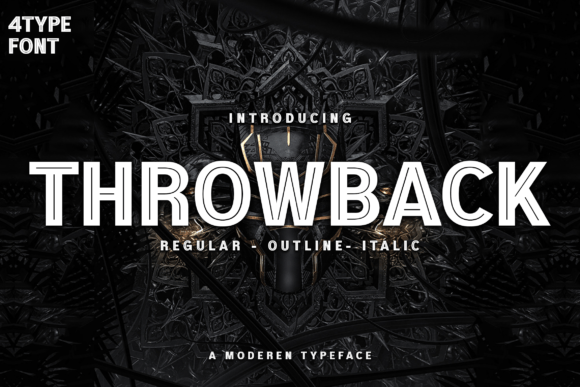
Throwback: A Bold, Stylish Font for Every Project
Throwback is a modern and stylish sans serif display font that brings a fresh, confident look to any design. Its bold and assertive style makes it ideal for headlines, logos, and other visual elements where impact matters. Whether you're working on a personal project or a professional campaign, Throwback offers a versatile and eye-catching option that stands out without being overwhelming.
This font is designed with clarity and readability in mind, making it suitable for both digital and print media. Its clean lines and balanced proportions ensure that it remains legible even at smaller sizes, while its strong presence adds a sense of authority and sophistication. For anyone looking to elevate their typography, Throwback is a powerful choice that combines form and function seamlessly.
What Makes Throwback Unique?
Unlike many other fonts that prioritize minimalism or elegance, Throwback leans into a more dynamic and expressive style. It features a slightly condensed structure that gives it a modern edge, while the subtle variations in stroke weight add visual interest. This combination creates a typeface that feels both contemporary and timeless, making it adaptable to a wide range of design aesthetics.
The font’s versatility is one of its greatest strengths. It works well in both dark and light environments, and its boldness allows it to command attention without needing additional styling. Whether used as a headline or part of a larger typographic hierarchy, Throwback maintains its character and impact across different contexts.
Why Choose Throwback?
If you're looking for a font that can make your designs stand out, Throwback is an excellent option. Its assertive style is perfect for branding, marketing materials, and creative projects where a strong visual identity is important. For entrepreneurs, designers, and content creators, this font can help convey confidence and professionalism in a way that other typefaces might not.
For beginners, Throwback is also easy to work with. It doesn’t require complex formatting or adjustments to look good. You can use it in graphic design software, web development tools, or even in word processors to add a touch of style to your documents. Its straightforward nature makes it accessible to users of all skill levels.
Common Uses for Throwback
Throwback shines in a variety of applications. In digital design, it’s often used for website headers, social media posts, and app interfaces where a bold, modern look is desired. Its clean lines and strong presence make it ideal for landing pages, banners, and promotional graphics that need to grab attention quickly.
In print, Throwback can be used for posters, brochures, and business cards. Its readability ensures that it remains effective even when viewed from a distance. For educators and students, it can be a great choice for presentations or educational materials that need to be visually engaging without sacrificing clarity.
For small businesses and startups, Throwback can help establish a strong brand identity. It’s particularly useful for logos, product packaging, and advertising campaigns where a memorable and distinctive look is essential. Its modern aesthetic aligns well with current design trends, making it a smart choice for those looking to stay relevant and appealing to their audience.
Considerations Before Using Throwback
Before incorporating Throwback into your design, it’s important to consider the context and purpose of your project. While it’s a strong and impactful font, it may not be suitable for every situation. For example, if you’re designing a document that requires a lot of body text, a more traditional serif or sans serif font might be a better fit.
Another factor to keep in mind is licensing. Make sure you have the proper rights to use Throwback in your specific project, especially if it’s for commercial purposes. Many fonts come with different licenses for personal and professional use, so it’s always a good idea to check the terms before proceeding.
Finally, consider how Throwback will look in different sizes and formats. Test it in various scenarios to ensure that it maintains its clarity and visual appeal. This will help you make informed decisions about where and how to use it effectively.
Getting Started with Throwback
If you’re new to using custom fonts, getting started with Throwback is straightforward. Most design software, including Adobe Creative Suite, Figma, and Canva, supports custom font uploads. Once you’ve downloaded the font files, you can install them on your computer or upload them directly to your design platform.
For web developers, integrating Throwback into a website typically involves using Google Fonts or a similar service. If the font isn’t available through these platforms, you may need to host the font files yourself and use CSS to apply them to your site. This process is relatively simple and can be done with basic knowledge of HTML and CSS.
Final Thoughts
Throwback is more than just a font—it’s a tool that can enhance your designs and communicate your message with confidence. Its bold, stylish appearance makes it a valuable asset for anyone involved in visual communication, whether you’re a designer, marketer, or business owner.
By understanding its strengths and limitations, you can make the most of what Throwback has to offer. Whether you’re creating a logo, designing a website, or preparing a presentation, this font provides a strong foundation for your creative work. With its modern aesthetic and practical benefits, Throwback is a reliable choice for a wide range of projects and audiences.