The Need for Speed: A Modern Display Font for Dynamic Projects
In the world of typography, choosing the right font can significantly impact the visual appeal and effectiveness of a design. One such font that has gained attention is The Need for Speed, a display font that combines modernity with a sense of urgency and energy. This article explores what The Need for Speed is, its potential benefits, and scenarios where it may or may not be the best choice.
What Is The Need for Speed?
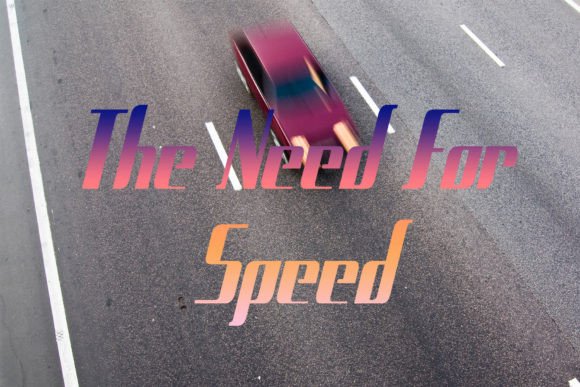
The Need for Speed is a contemporary display font designed to convey speed, movement, and dynamism. It features sharp edges, bold strokes, and a sleek aesthetic that makes it stand out in various design contexts. While the name may suggest a focus on speed, the font's primary purpose is to add visual impact and a sense of modernity to any project.
Unlike traditional serif or sans-serif fonts, The Need for Speed is not intended for body text. Instead, it shines as a headline or title font, where its unique characteristics can be fully appreciated. Its design often includes subtle variations in stroke weight and spacing, giving it a dynamic feel that can enhance the overall look of a design.
Why Someone Might Be Interested in The Need for Speed
Designers and creatives looking for a fresh, eye-catching font may find The Need for Speed appealing. Its modern aesthetic aligns with current design trends, making it suitable for projects that aim to appear cutting-edge and innovative. This font can be particularly effective in industries such as technology, automotive, and entertainment, where speed and performance are key themes.
Additionally, The Need for Speed may attract those who want to differentiate their work from more conventional fonts. Its distinct style can help a design stand out in a crowded market, offering a unique visual identity that resonates with specific audiences.
Benefits of Using The Need for Speed
One of the main advantages of The Need for Speed is its ability to capture attention quickly. Its bold and energetic appearance can draw viewers in, making it ideal for headlines, logos, and other prominent design elements. This font can also add a sense of motion and excitement to a project, which can be beneficial in marketing materials or promotional content.
Moreover, The Need for Speed is versatile in terms of application. It can be used across different mediums, including digital and print formats, as long as the design context supports its use. Its clean lines and structured layout make it easy to read in large sizes, ensuring that it remains legible even when used prominently.
Considerations and Tradeoffs
While The Need for Speed offers several benefits, it is important to consider its limitations. Due to its stylized nature, it may not be suitable for all types of content, especially those requiring high readability. In smaller sizes or in dense text blocks, the font may become difficult to read, which could detract from the overall effectiveness of the design.
Another consideration is the font's availability. Not all design platforms or software may support The Need for Speed, which could limit its usability in certain workflows. Designers should verify compatibility before committing to using this font in a project.
Situations Where The Need for Speed Fits Well
The Need for Speed is most effective in situations where visual impact and a strong identity are priorities. For example, it can be an excellent choice for branding campaigns, event promotions, or digital advertisements that require a bold and memorable look. In these contexts, the font's dynamic qualities can enhance the message being conveyed.
It is also well-suited for creative projects that aim to evoke a sense of energy and movement. This includes website headers, social media graphics, and other visual elements where the font's characteristics can be leveraged to create a compelling visual experience.
Situations Where Alternatives May Be Better
In contrast, there are scenarios where alternative fonts may be more appropriate. For instance, when designing for accessibility or readability, a simpler and more traditional font might be preferable. In such cases, the clarity and ease of reading take precedence over stylistic flair.
Additionally, if the goal is to maintain a professional or formal tone, The Need for Speed may not be the best fit. Fonts that are more subdued or classic in appearance may better align with the desired tone and audience expectations.
Practical Decision-Making Insights
When deciding whether to use The Need for Speed, designers should evaluate their specific needs and goals. Consider the context in which the font will be used, the target audience, and the overall design objectives. Testing the font in different scenarios can help determine its effectiveness and suitability.
It is also helpful to compare The Need for Speed with other fonts that offer similar aesthetics but may be more versatile or easier to use. By exploring alternatives, designers can make informed choices that best meet their project requirements.
In summary, The Need for Speed is a display font that offers a modern and dynamic look, making it a strong option for specific design needs. However, its effectiveness depends on the context and the designer's goals. By carefully considering its strengths and limitations, users can determine whether it aligns with their vision and requirements.