Scorch Marks: A Bold Font for Strategic Branding and Creative Expression
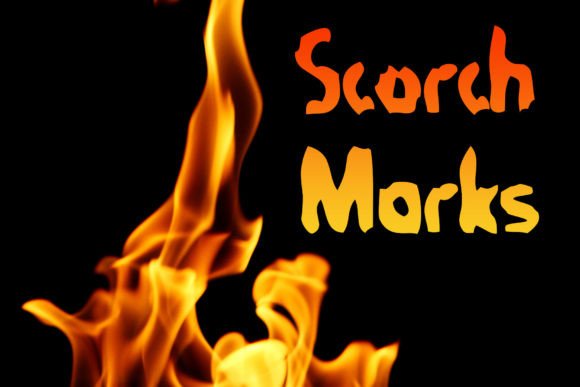
Scorch Marks is more than just a display font—it's a statement. Its intentionally chaotic, messy appearance can add a unique edge to any project, making it ideal for brands that want to stand out in a crowded market. But like any powerful tool, its effectiveness depends on how it's used. Understanding when and how to apply Scorch Marks can transform your design strategy, helping you communicate with originality and confidence.
For professionals across industries, from entrepreneurs to educators, the right typography can be a strategic differentiator. Scorch Marks offers a way to break free from conventional fonts while maintaining visual impact. However, its unconventional style requires thoughtful consideration to ensure it aligns with your broader goals and audience expectations.
Why Scorch Marks Matters in Modern Design
In a world where consistency often wins, Scorch Marks challenges the norm. It’s not about being loud for the sake of it—it’s about creating a memorable impression that reflects your brand’s personality. This font works best when it serves a purpose, whether that’s to convey energy, rebellion, or a sense of authenticity.
Consider the role of typography in branding. A well-chosen font can reinforce your message and connect with your audience on a deeper level. Scorch Marks, with its raw, unpolished look, can signal creativity, innovation, or even a bit of mischief. For businesses aiming to position themselves as forward-thinking or edgy, this font can be a valuable asset.
But it’s important to recognize that Scorch Marks isn’t a one-size-fits-all solution. Its strength lies in its ability to draw attention, but it can also be overwhelming if overused. The key is to use it strategically, ensuring it complements your overall design rather than competing with it.
Strategic Use Cases for Scorch Marks
Scorch Marks shines in projects that require a bold visual identity. Think of it for logos, headlines, or promotional materials where a strong first impression is critical. For example, a music festival might use Scorch Marks to evoke a sense of energy and unpredictability, aligning with the event’s vibe.
Entrepreneurs launching a new product or service can leverage Scorch Marks to create a memorable brand presence. In a competitive marketplace, standing out is essential. Using a distinctive font can help your brand cut through the noise and resonate with audiences looking for something fresh and different.
Marketers and content creators can also benefit from Scorch Marks. When designing social media posts, banners, or email subject lines, a striking font can increase engagement. However, it’s crucial to test how the font appears across different platforms and devices to ensure readability and consistency.
For educators and trainers, Scorch Marks can be an effective tool for capturing attention in presentations or educational materials. It can make complex concepts feel more dynamic and approachable, especially when targeting younger or more creative audiences.
Planning Your Approach with Scorch Marks
Before incorporating Scorch Marks into your design, take time to define your goals. What do you want to achieve with this font? Is it to create a stronger brand identity, enhance user engagement, or differentiate your work from competitors? Clarifying these objectives will help guide your decisions.
Consider your target audience. Will they respond positively to a messy, unconventional font? For instance, a tech startup might find Scorch Marks too informal, while a creative agency could see it as a perfect fit. Understanding your audience’s preferences and expectations is key to making the right choice.
Also, think about the context in which the font will be used. Scorch Marks may work well in a poster or logo, but it could be less effective in body text or long-form content. Balance is essential—use it where it adds value without compromising legibility or usability.
Another factor to consider is how Scorch Marks interacts with other design elements. It should complement your color scheme, layout, and overall aesthetic. If the font clashes with other components, it can detract from the intended message rather than enhance it.
Practical Tips for Effective Implementation
To get the most out of Scorch Marks, start by using it sparingly. A single headline or title in this font can make a strong impact without overwhelming the viewer. Avoid using it for large blocks of text, as this can reduce readability and dilute its effect.
Experiment with different sizes and weights to find the right balance. Sometimes a smaller, subtler application of Scorch Marks can be more effective than a large, bold display. Test various options to see what works best for your specific project.
Pair Scorch Marks with complementary fonts to create contrast and harmony. For example, pairing it with a clean, modern sans-serif can provide a nice balance between chaos and order. This approach ensures that your design remains visually appealing while still making a statement.
Finally, always consider accessibility. Ensure that the font is readable for all users, including those with visual impairments. If necessary, provide alternative text or formatting to maintain clarity and inclusivity.
Risks of Misusing Scorch Marks
While Scorch Marks can be a powerful tool, misusing it can lead to negative outcomes. Overuse can make your design feel cluttered or unprofessional, which may turn off your audience. Similarly, applying it without a clear purpose can confuse your message and weaken your brand’s impact.
Without proper planning, Scorch Marks may come across as careless or unrefined. This can be particularly damaging for businesses that rely on trust and credibility. It’s important to ensure that the font aligns with your brand’s values and messaging.
Additionally, inconsistent use of Scorch Marks across different platforms or materials can create a disjointed brand experience. Maintain a cohesive approach to ensure that your design remains professional and aligned with your overall strategy.
Intentional Use for Long-Term Value
Scorch Marks is most effective when used with intention. Rather than applying it randomly, focus on how it supports your broader goals. Whether you’re building a brand, launching a campaign, or creating content, the font should serve a clear purpose.
Take time to evaluate your design choices and ask yourself if Scorch Marks enhances your message. If it does, use it thoughtfully. If not, consider alternatives that better align with your objectives. The goal is to create a lasting impression that resonates with your audience.
By approaching Scorch Marks strategically, you can unlock its full potential. It’s not just about looking different—it’s about communicating effectively and making a meaningful impact. With the right mindset and execution, this font can become a valuable part of your design toolkit.
Conclusion: Scorch Marks as a Strategic Asset
Scorch Marks is more than a font—it’s a design decision that can shape your brand’s identity and influence how your audience perceives your work. When used intentionally, it can add originality, energy, and a touch of sass to your projects. However, its success depends on how well it aligns with your goals, audience, and overall strategy.
By understanding when and how to use Scorch Marks, you can harness its power to create memorable, impactful designs. Whether you're a marketer, entrepreneur, or designer, this font offers a unique opportunity to stand out and make a lasting impression. With careful planning and thoughtful execution, Scorch Marks can become a valuable part of your creative arsenal.