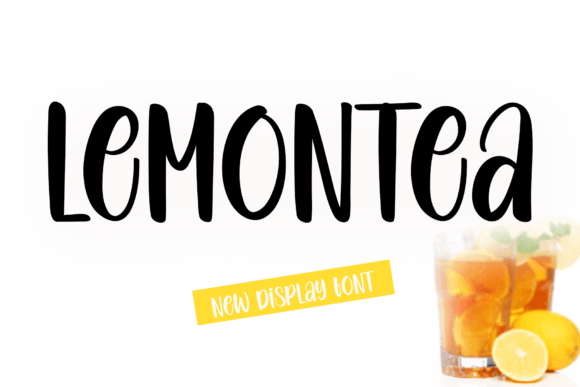
Lemontea: A Versatile Display Font for Creative Projects
Lemontea is a display font that offers a unique blend of elegance and charm, making it a popular choice for designers seeking a romantic and whimsical aesthetic. This font features fluid curves and delicate details that evoke a sense of sophistication and playfulness, suitable for a variety of design applications.
What Is Lemontea?
Lemontea is a typeface designed to stand out in visual compositions. Its stylized letters and ornamental elements give it a distinctive character, ideal for projects that require a touch of personality. The font is particularly well-suited for headlines, logos, and other typographic elements where visual appeal is key. Its design draws inspiration from traditional calligraphy, yet it maintains a modern sensibility that makes it adaptable across different contexts.
Why Consider Lemontea?
Designers and developers may find Lemontea appealing for several reasons. Its unique appearance can help differentiate a project from others, especially in competitive markets where visual identity is crucial. For those working on creative or artistic endeavors, Lemontea provides an opportunity to infuse a sense of romance and nostalgia into their work. It is also a good option for projects that aim to convey a soft, feminine, or vintage theme.
Benefits of Using Lemontea
- Visual Appeal: Lemontea's elegant design adds a striking visual element to any composition.
- Versatility: The font works well in both digital and print formats, offering flexibility for various projects.
- Emotional Resonance: Its style can evoke feelings of warmth, nostalgia, and creativity, enhancing the emotional impact of a design.
Tradeoffs and Considerations
While Lemontea has many strengths, it may not be the best choice for every situation. One potential drawback is its readability at smaller sizes. Due to its intricate details, it may become difficult to read when used in body text or low-resolution environments. This limitation means that it is most effective when used as a headline or decorative element rather than for extended reading.
Another consideration is the font's suitability for different industries. While it excels in creative or artistic fields, it may not align with more professional or corporate settings where a more neutral or straightforward font is preferred. Designers should evaluate whether the font's style matches the tone and message of their project.
Situations Where Lemontea Shines
Lemontea is particularly well-suited for projects that benefit from a distinctive and artistic approach. It is an excellent choice for wedding invitations, greeting cards, and branding materials that aim to create a personal and memorable impression. In digital media, it can enhance website headers, social media graphics, or promotional banners where visual impact is important.
For designers working on projects with a romantic, nostalgic, or artistic theme, Lemontea can serve as a powerful tool to reinforce the intended mood. Its ability to add a touch of elegance makes it a strong fit for fashion, lifestyle, or creative industries where aesthetics are a priority.
When Alternatives May Be Better
In some cases, alternative fonts may offer better functionality or adaptability. For example, if a project requires a clean, modern look, a sans-serif font might be more appropriate. Similarly, if readability at small sizes is essential, a more legible typeface could be a better choice.
Designers should also consider the target audience when selecting a font. If the audience prefers a more traditional or minimalist style, Lemontea may not resonate as effectively. In such scenarios, exploring other fonts that align more closely with the audience's expectations could lead to better results.
Practical Decision-Making Insights
When evaluating whether to use Lemontea, designers should start by defining the goals of their project. What message do they want to convey? What visual identity do they wish to establish? These questions can help determine whether Lemontea's characteristics align with the project's needs.
Testing the font in different contexts is also recommended. Designers can experiment with how Lemontea looks in various sizes, backgrounds, and layouts to ensure it meets their requirements. Additionally, considering the availability of the font and its compatibility with design software can prevent unexpected issues during the production process.
Ultimately, the decision to use Lemontea should be based on a thoughtful assessment of its strengths and limitations. By understanding how it performs in different scenarios, designers can make informed choices that support the success of their creative work.