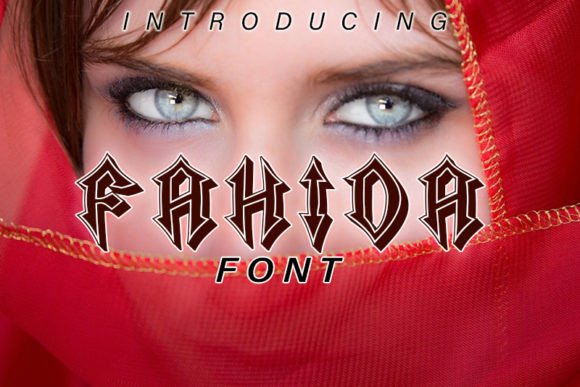
Fahida: A Bold 3D Gothic Display Typeface
Fahida is more than just a font—it's a statement. This 3D gothic display typeface brings a dramatic, edgy presence to any design project. Its intricate details and striking visual weight make it ideal for anything that needs to grab attention and leave a lasting impression. Whether you're designing a poster, a logo, or a social media graphic, Fahida offers a unique blend of sophistication and rebellion that can elevate your work.
At first glance, Fahida's bold strokes and three-dimensional effect give it an almost sculptural quality. The letterforms are layered with depth, creating a sense of movement and dimension that sets it apart from standard fonts. Its gothic roots are evident in the sharp angles and ornate detailing, but the modern twist makes it versatile enough for a wide range of applications.
What Makes Fahida Stand Out?
Fahida’s personality is fierce and confident. It exudes a sense of power and mystery, making it perfect for brands or projects that want to convey strength, creativity, or a touch of the unconventional. The font’s design isn’t just about looking good—it’s about feeling impactful. Each character is crafted to command attention, which is why it works so well in high-impact areas like headlines, logos, and promotional materials.
Visually, Fahida combines elements of traditional serif fonts with the boldness of a modern display typeface. The contrast between thick and thin strokes adds to its dynamic feel, while the 3D effect gives it a tactile quality that can enhance both digital and print designs. This makes it a great choice for editorial design, packaging, and even apparel where a strong visual identity is key.
Where Does Fahida Shine?
Fahida thrives in environments where bold typography is needed. For designers, it’s a powerful tool for creating eye-catching posters, flyers, and banners. Its size and structure make it ideal for large-scale print projects, where it can serve as a focal point without overwhelming the rest of the design. In web design, Fahida can be used for hero sections, call-to-action buttons, or site headers that need to stand out.
For marketers and entrepreneurs, Fahida is a valuable asset when building brand identity. It can be used in logos, social media graphics, and advertising campaigns to create a cohesive and memorable look. The font’s distinctiveness helps in establishing a strong brand presence, especially in industries that value creativity and originality.
In publishing, Fahida can add a dramatic flair to book covers, magazine titles, or editorial spreads. Its gothic undertones make it particularly effective for genres like horror, fantasy, or alternative culture publications. When paired with other fonts, it can create a rich typographic hierarchy that guides the reader through the content.
How Fahida Influences Design Choices
The right font can significantly impact how a design is perceived. Fahida’s boldness and uniqueness help in creating visual hierarchy, drawing the eye to key elements and reinforcing the message of the design. When used effectively, it can enhance brand perception by conveying confidence, innovation, and artistic flair.
Readability is a concern with any display font, and Fahida is no exception. While it excels in large sizes, it may not be suitable for body text. However, when used appropriately—such as in headings, titles, or accents—it maintains clarity while adding a strong visual presence. Designers should test it at different sizes and on various backgrounds to ensure it performs well in their specific context.
Consistency is another important factor. Using Fahida across multiple platforms—print, digital, and social media—helps in building brand recognition. It creates a unified look that strengthens the overall identity of a project or business. Pairing it with complementary fonts can also help balance its intensity, ensuring that the design remains visually appealing and functional.
Practical Tips for Using Fahida
Before incorporating Fahida into a project, consider the purpose and audience. Is the design meant to be professional, playful, or avant-garde? Fahida’s style may not suit every situation, so understanding the tone of the project is essential. For example, it might be too intense for a minimalist website but perfect for a music festival poster or a luxury fashion label.
Testing is crucial. Download a sample version and experiment with different sizes, colors, and layouts. See how it interacts with other design elements and whether it enhances or distracts from the overall composition. Pay attention to spacing, line height, and contrast to ensure optimal readability and aesthetic appeal.
When selecting a font, always check the licensing terms. Fahida, as a commercial font, may require a proper license for use in certain projects. Make sure to review the terms carefully to avoid legal issues, especially if the design will be used for public or commercial purposes.
Finally, don’t be afraid to mix and match. Fahida pairs well with clean, modern sans-serif fonts or elegant serif typefaces, depending on the desired effect. Experimenting with font pairings can lead to fresh, innovative designs that stand out in a crowded market.
Real-World Applications of Fahida
Consider a boutique clothing brand looking to launch a new line. Using Fahida for the logo and product labels could give the collection a distinctive, high-end feel that resonates with its target audience. Similarly, a local theater group might use it for promotional posters to create a dramatic, immersive atmosphere that draws in patrons.
In the world of digital marketing, Fahida can be used in email newsletters, social media posts, and ad creatives to capture attention and drive engagement. Its bold nature makes it ideal for headlines and call-to-action elements that need to stand out in a busy feed or inbox.
For independent artists and creators, Fahida can be a powerful tool in building a personal brand. Whether it's on a portfolio website, a music album cover, or a handmade product label, it adds a layer of professionalism and creativity that reflects the artist’s vision.